
While the media obsesses over climate hysteria, a stunning natural phenomenon in Western Australia reveals how cyclones and iron-rich soil create apocalyptic blood-red skies—a reminder that Mother Nature’s raw power eclipses any government’s ability to control the weather.
Story Snapshot
- Tropical Cyclone Narelle turned Western Australia’s skies blood-red in January 2013 as cyclone-force winds lifted iron-rich dust into the atmosphere.
- The eerie crimson glow resulted from light scattering physics, with longer red wavelengths dominating as shorter blue light dispersed through dust-thick air.
- Shark Bay residents witnessed the apocalyptic spectacle before Narelle made landfall four times along the coast with winds exceeding 200 km/h.
- The dramatic event underscores natural weather volatility in arid regions, challenging narratives that every extreme weather event stems from human activity.
Nature’s Warning Sign Over Shark Bay
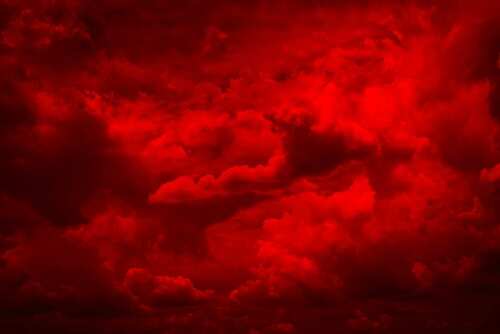
Tropical Cyclone Narelle transformed the skies over Western Australia’s Shark Bay into a blood-red canvas in January 2013, creating scenes that eyewitnesses described as apocalyptic. The phenomenon occurred as the Category 5 cyclone approached landfall, with powerful winds exceeding 200 km/h lifting iron-rich red soil from the arid landscape into the atmosphere. Residents of Denham captured striking videos showing streaks of fiery orange and crimson dominating the daytime sky, a stark departure from typical horizon-limited sunset colors. This natural spectacle served as nature’s harbinger of the destructive storm about to batter the UNESCO World Heritage coastline.
The Science Behind the Crimson Sky
The FOX Forecast Center explained the blood-red phenomenon through atmospheric physics principles that have nothing to do with climate change panic. Cyclone Narelle’s powerful winds suspended iron oxide particles from Western Australia’s distinctive red desert soils, creating a thick atmospheric layer that filtered sunlight. Shorter blue wavelengths scattered more readily through this dust-laden air, while longer red and orange wavelengths penetrated through, saturating the sky with crimson hues. This intensified version of sunset mechanics demonstrates how natural forces—iron-rich geology combined with cyclonic wind patterns—produce dramatic visual effects without any human intervention required.
Regional Impact and Historical Context
Shark Bay’s position along Australia’s northwest coast makes it vulnerable to tropical cyclones during the wet season, when these natural weather systems regularly form in the Indian Ocean. The 2013 event disrupted the coastal community with power outages, flooding, and temporarily halted tourism to the World Heritage site. Cyclone Narelle made landfall four times along Western Australia’s coast before weakening inland, following weather patterns that have occurred for millennia. Similar dust-scattering events have appeared during Australian bushfires and major dust storms, including Sydney’s red dawn in 2022, proving these spectacular atmospheric displays are recurring natural phenomena, not evidence of impending climate doom.
Government Response and Preparedness
The Bureau of Meteorology coordinated cyclone warnings and evacuation protocols during Narelle’s approach, demonstrating the proper role of government in public safety—providing information and allowing citizens to make informed decisions. Local authorities in Denham and surrounding areas relied on federal and state resources to manage the storm’s aftermath, with emergency services coordinating responses based on meteorological data rather than political agendas. The event reinforced cyclone preparedness policies in Western Australia without triggering calls for expansive new climate regulations or carbon taxes. This measured response stands in contrast to how modern governments exploit every weather event to justify intrusive policies and increased spending.
Media Sensationalism Versus Scientific Reality
While some media outlets emphasized apocalyptic imagery to drive clicks, meteorological experts focused on the straightforward scientific explanation rooted in Rayleigh scattering principles and regional soil composition. The uniform consensus among atmospheric physicists confirms that cyclone-driven dust combined with light wavelength behavior fully explains the phenomenon, with eyewitness documentation from social media users like @callmenicks providing visual validation. No conflicting theories emerged because the science is settled—genuinely settled, unlike politicized climate claims. This episode illustrates how natural weather events become fodder for sensational headlines when the facts tell a more measured story about Earth’s complex atmospheric systems operating as they have for eons.
Sources:
Why Western Australia’s skies turned eerie red before Cyclone Narelle landfall