
A viral claim tied to “Catalina Island” is colliding with hard reporting that puts the fatal Carnival balcony fall on the opposite side of the country—near the Bahamas.
Story Snapshot
- Multiple reports say a woman died after falling from a 14th-deck cabin balcony to the 11th-deck area aboard Carnival Elation during a Bahamas sailing from Jacksonville, Florida.
- The incident happened early Friday near Freeport, Bahamas; her identity and the cause of the fall were not released in the available reporting.
- Law enforcement boarded the ship, passengers were temporarily confined to cabins, and counseling was offered after witnesses described a traumatic scene.
- Carnival said the ship’s balcony railings meet federal safety standards, while some passengers called for added protections like safety nets.
What happened aboard Carnival Elation—and where it actually occurred
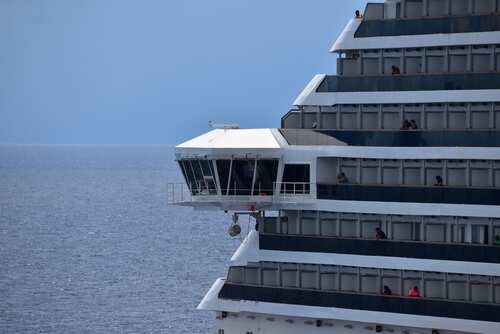
Carnival Cruise Line confirmed that a woman died after falling from the balcony of her stateroom on the Carnival Elation, a ship that sails from Jacksonville, Florida. Reports place the fall from a 14th-deck balcony down to the 11th deck below; because many ships skip labeling a 13th floor, that translates to a two-deck drop. The incident occurred early Friday as the ship traveled near Freeport, Bahamas, not near Catalina Island.
Authorities responded quickly. Carnival said the ship’s medical team treated the woman immediately, but she died from her injuries. Law enforcement boarded the vessel as part of the investigation, and passengers were told to remain in their cabins for a period while officials worked. By the time reporting was published, the woman’s name had not been released, and no public determination had been made about whether the fall was accidental or intentional.
Why “Catalina Island” took off online, despite contradictory details
Social media posts and some headlines have circulated the idea that the death happened near Catalina Island, which sits off the coast of Southern California and is commonly associated with West Coast cruise itineraries. The underlying reports tied to this incident, however, consistently describe a short Bahamas cruise leaving from Jacksonville and passing near Freeport. When a story crosses from local reporting into national outrage feeds, geography often becomes collateral damage—especially when the event is tragic and graphic.
The mismatch matters because it shapes how the public understands accountability and oversight. A Bahamas-area incident aboard a Jacksonville-based sailing points to different port operations, jurisdictional realities, and investigative steps than a California coastal itinerary would. The available information indicates an active investigation at the time, with no public cause announced and no verified narrative beyond the fall itself, Carnival’s confirmation of the death, and passenger accounts of the immediate aftermath.
Trauma onboard, investigation steps, and Carnival’s compliance statement
Witness descriptions emphasized how disturbing the scene was after the fall, with reports of blood spatter and shaken passengers. Carnival and coverage of the incident said counseling was made available to guests and the victim’s family—an acknowledgement that even passengers who never knew the woman could be affected after seeing or hearing the aftermath. The ship’s schedule was also affected in the short term as authorities boarded and the company worked through the response process.
Carnival stated that its balcony railings meet the requirements of the Cruise Vessel Security and Safety Act, a key federal framework used by cruise companies to demonstrate baseline compliance. That statement may be legally important, but it doesn’t answer the practical question many families ask after incidents like this: whether “meets the standard” is enough when real-world behavior, crowding, alcohol, and simple missteps can turn a vacation into a catastrophe.
Recurring balcony-fall concerns and what’s still unknown
Legal and industry commentary has long noted that balcony falls are a recurring safety issue across cruising, and this case was reported in the shadow of other recent Carnival-related tragedies, including a child’s fatal fall months earlier on a different ship. The same weekend as the Elation death, separate coverage described another woman going overboard from another Carnival vessel, highlighting how quickly public trust erodes when incidents appear clustered—even if the circumstances differ.
Woman plunges to her death from balcony on Carnival cruise ship near Catalina Island https://t.co/BPZn8Bfjf9 pic.twitter.com/6wjVMuqCIB
— New York Post (@nypost) April 28, 2026
Key facts remain unresolved in the public record reflected in the available sources: the woman’s identity, the exact circumstances leading to the fall, and any investigative findings. That uncertainty is exactly why readers should be careful about viral posts that confidently assign location, blame, or motive. The verified through-line is simpler and more sobering: a woman died after a fall from a cabin balcony, passengers were temporarily restricted during an investigation, and the cruise line emphasized compliance while travelers demanded added safety measures.
Sources:
Cruise Ship Balcony Death: Woman Falls Aboard Carnival Elation
Woman dies after falling several decks from a balcony on a Carnival cruise
Carnival Cruise ship Triumph, Elation women fall separate balconies
Woman dies after falling several decks from a balcony on a Carnival cruise