
Winter Storm Fernando stranded countless tourists in New York City, Chicago, and Atlanta, exposing how fragile urban infrastructure leaves everyday Americans vulnerable when taxis and ride-shares hide in garages during crises.
Story Snapshot
- Storm dumped 12-24 inches of snow, ice, and winds, canceling over 1,000 flights and halting public transit across three major cities.
- Ride-share prices surged 8x as drivers sheltered, leaving budget tourists with no escape from iced streets and closed attractions.
- Hotels saw 60% no-shows and occupancy drop to 40%, projecting $200M in tourism losses over 72 hours.
- Municipal plows prioritized main roads, delaying access to tourist areas like Broadway and Millennium Park.
Storm Onslaught Hits Tourism Hubs
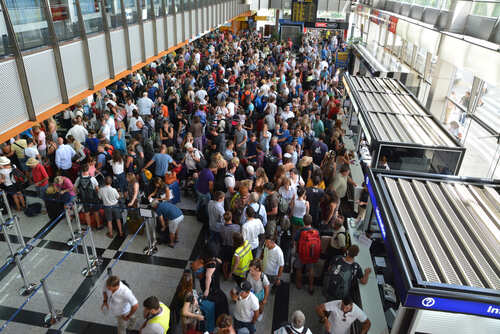
Winter Storm Fernando struck late February 2026, onset around February 25, blanketing New York City, Chicago, and Atlanta with 12-24 inches of snow, ice glaze, and high winds. Over 1,000 flights canceled at JFK, LaGuardia, O’Hare, and Atlanta airports. Roads like Lake Shore Drive gridlocked, subways and MARTA halted for 72+ hours. Tourists bound for Broadway, Millennium Park, and World of Coca-Cola found themselves trapped amid peak winter events and 85% hotel occupancy pre-storm.
Ride-Shares Vanish, Prices Skyrocket
Taxis and ride-share operators sheltered vehicles in garages to avoid extreme conditions, spiking fares 8x during scarcity. Budget travelers, already hit by closures, faced isolation as municipal snow plows focused on arterial roads over tourist corridors. This left families and convention-goers stranded at landmarks, highlighting over-reliance on gig economy transport in blue-city infrastructures ill-prepared for polar vortex intrusions. Small operators in theater districts and Gold Dome areas suffered immediate cash crises from 60% no-shows.
Hotels and restaurants responded with complimentary stays, storm kits, and rate wars to fill voids. Tourism boards coordinated vouchers and indoor promotions like jazz nights and arcades, preserving revenue amid chaos.
Stakeholders Scramble in Power Struggles
Tourism boards in NYC, Chicago, and Atlanta led contingencies, partnering with hotels and airports for adaptive programming. Airlines managed cancellations with extended waivers through week’s end, minimizing claims. Municipal services held dominant control, prioritizing public safety on main arteries while tourist areas lagged. Ride-share firms profited post-thaw but wielded low power during peak storm. Digital influencers shifted to documenting recovery, like snow sculptures, shaping viral narratives.
Hotels launched long-stay packages; restaurants pivoted to pop-up ice festivals and igloo dining. Travel insurance claims surged 400% as stranded visitors sought reimbursements.
Recovery Reveals Resilience and Lessons
By late February 2026, recovery accelerated with virtual reality tours, such as VR dinosaurs at the Field Museum, and hashtag campaigns turning disruptions viral. Occupancy stabilized at 40%, with $200M losses offset by deferred bookings and bundled credits. Operators viewed the crisis as a “deferred revenue” opportunity, bundling future incentives. Social impacts fostered communal stories like viral snowmen, pressuring cities for better tourist plowing.
Long-Term Shifts Toward Weather-Proof Tourism
Storm Fernando accelerates industry changes, including weather-proof guarantees, elevated walkways, AI pricing, and all-season domes. Broader effects push flexible models like VR arcades, reducing vulnerability to Northeast-Midwest storms unprecedented in scale—hitting Atlanta’s milder climate alongside traditional hubs. Precedents like 2023 Chicago blizzards pale against this multi-city aviation-transit-hospitality meltdown. Limited post-February 25 data underscores need for proactive infrastructure under President Trump’s focus on resilient American cities.