

A new policy threatens to escalate U.S. military involvement in Africa, sparking concern among conservatives about international overreach and foreign policy priorities.
Story Highlights
- President Trump threatens military action in Nigeria over alleged Christian persecution.
- Nigeria, a key U.S. partner, pushes back against claims of religious intolerance.
- American Christian advocacy groups influence U.S. foreign policy decisions.
- Debate ensues over the appropriateness and consequences of U.S. intervention.
Trump’s Bold Threat to Nigeria
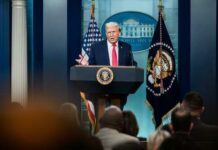
On October 31, 2025, President Donald Trump designated Nigeria as a “country of particular concern” for religious freedom violations, claiming widespread killings of Christians. This action marks a significant shift in U.S. foreign policy, as Trump instructed the Pentagon to prepare for possible military intervention if Nigeria fails to address the alleged violence. The administration’s stance is heavily influenced by American Christian advocacy groups, which have long pressured for action against religious persecution abroad.
President Trump has explicitly tied U.S. aid to Nigeria’s handling of the situation, threatening to halt financial assistance and deploying troops if necessary. This unprecedented threat of military intervention in a key African nation has drawn criticism and defense from various stakeholders. While Trump’s statements aim to protect Christian communities, experts warn of the complex ethnic, religious, and economic factors contributing to Nigeria’s violence, complicating the narrative of targeted persecution.
Nigeria’s Response and Diplomatic Repercussions
Nigerian President Bola Ahmed Tinubu has publicly rejected Trump’s characterization of Nigeria as intolerant of religious freedom. Tinubu maintains that Nigeria is committed to addressing security challenges affecting citizens across all faiths and regions. The Nigerian government’s stance highlights the potential diplomatic fallout from Trump’s threats, as Nigeria remains a strategic partner for the U.S. in Africa.
The diplomatic tensions underscore the delicate balance between advocating for religious freedom and maintaining international relationships. U.S. foreign policy experts express concern that aggressive military threats could destabilize Nigeria and the broader West African region. Despite the heightened rhetoric, no immediate military action has been reported, and aid to Nigeria is currently under review.
Debate Over U.S. Intervention
The potential U.S. military involvement in Nigeria has sparked a debate about the appropriateness and possible consequences of such action. Critics argue that military intervention could exacerbate existing tensions and undermine local efforts to combat groups like Boko Haram. The situation also raises questions about the role of U.S. foreign policy in addressing complex humanitarian issues abroad.
While some U.S. Christian groups support Trump’s hardline stance, international observers caution against external military involvement, advocating instead for diplomatic and humanitarian solutions. The ongoing discourse reflects broader concerns about U.S. foreign policy priorities and the implications of interventionist strategies under the current administration.
Sources:
Trump threatens to cut off aid to Nigeria over military action