

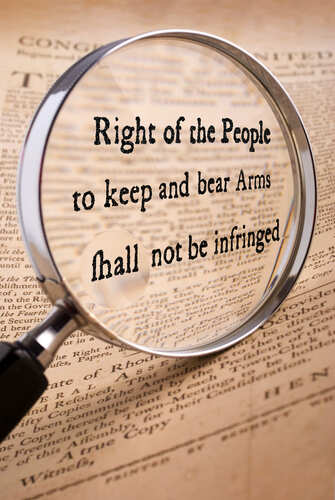
A new policy threatens Second Amendment rights, sparking outrage among patriots.
Story Snapshot
- Proposals for comprehensive gun bans face constitutional challenges.
- International precedents show reduced gun deaths, but U.S. context is unique.
- Federal and state legislations are polarizing the nation.
- Gun rights advocates emphasize the importance of the Second Amendment.
Second Amendment Under Siege
In 2025, the debate over gun control in the United States has intensified, with new proposals threatening to undermine Second Amendment rights. This has sparked significant outrage among American patriots who view these proposals as an assault on their constitutional liberties. The call for comprehensive gun bans is driven by recurring mass shootings and rising gun violence statistics. However, the feasibility of such measures faces substantial constitutional, cultural, and practical barriers.
The historical foundation of the Second Amendment, rooted in post-Revolutionary War principles, has long been a cornerstone for gun rights advocates. These proponents argue that civilian firearm ownership is not only a constitutional guarantee but a fundamental aspect of American identity. The ongoing calls for bans have reignited discussions on the balance between public safety and individual liberties, with the National Rifle Association (NRA) and other gun rights groups rallying against these proposals.
State and Federal Legislation: A Patchwork Approach
Recent years have seen a patchwork of federal and state legislations aiming to address gun violence. While states like California and New York have passed stricter gun laws, including bans on specific firearms, the federal government has yet to implement a comprehensive ban. This divergence highlights the complex legal landscape within the U.S., where state and federal authorities often clash over jurisdiction on gun regulations. The Supreme Court’s recent Bruen decision further complicates efforts by expanding gun rights, thereby creating additional hurdles for those advocating for a federal ban.
Public opinion on this issue remains divided. Gallup’s 2023 poll indicates that while 55% of Americans support stricter gun laws, only 19% favor an outright ban on firearms. This division reflects the deep-seated cultural and ideological differences among Americans regarding gun ownership and regulation.
Impacts and Future Considerations
The implications of a total gun ban in the U.S. are multifaceted. Short-term effects include heightened political polarization and increased activism, with stakeholders on both sides of the issue becoming more entrenched in their positions. Long-term consequences could potentially include a reduction in gun violence if such measures are implemented, though this remains speculative given the unique American context. The economic impact on the firearms industry, which generates billions annually, also cannot be ignored. Manufacturers, retailers, and enthusiasts alike would face significant challenges in a landscape where gun ownership is heavily restricted.
https://t.co/0Th5ulNKUO@CNN exploits an 11 year old, so never to let a crisis interfere with their disgustingness.
— Maria Hamby (@maria_hamby45) August 29, 2025
As the debate continues to unfold, it is crucial for lawmakers and citizens to remain informed and engaged. The future of gun policy in the United States will largely depend on the legal, political, and social developments that continue to shape this contentious issue. While international precedents offer some insights, the U.S. must navigate its unique constitutional and cultural landscape to find solutions that uphold public safety without sacrificing individual freedoms.
Sources:
Centers for Disease Control and Prevention (CDC), “Firearm Violence Statistics,” 2023.
Gallup, “Americans’ Views on Gun Laws,” 2023.
Pew Research Center, “Gun Policy Attitudes,” 2023.
RAND Corporation, “The Science of Gun Policy,” 2020.
“`