
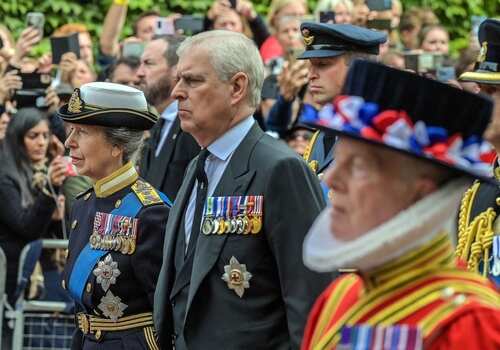
A new scandal involving Prince Andrew threatens to further erode the public trust in the British monarchy.
Story Highlights
- Prince Andrew reportedly met with a Chinese businessman accused of espionage.
- Yang Tengbo, the accused, has been banned from the UK due to security concerns.
- The meetings raise questions about royal judgment and security protocols.
- Prince Andrew’s past controversies add to the scrutiny of this latest issue.
Prince Andrew’s Controversial Meetings
Between 2014 and 2019, Prince Andrew met with Yang Tengbo, a Chinese businessman now accused of espionage, on multiple occasions. These interactions took place during UK-China business events and royal charity functions. Yang has been linked to the Chinese Communist Party’s United Front Work Department, known for its overseas influence operations. The revelation of these meetings has reignited concerns about the Duke of York’s judgment, especially given his previous controversial associations.
Yang Tengbo has been banned from the UK following intelligence assessments that flagged his activities as potential threats to national security. Despite the accusations, Yang denies any espionage involvement, claiming his business dealings are legitimate. However, the ban and the media revelations have intensified the focus on Prince Andrew, who has long served as a trade envoy promoting British interests abroad.
Security Risks and Royal Reputation
The recent developments have once again placed the British royal family under the microscope. The meetings between Prince Andrew and Yang Tengbo highlight potential vulnerabilities in how royals engage with international business figures. The UK government, tasked with protecting national security, faces pressure to reassess security protocols surrounding royal interactions with foreign nationals. This episode underlines the delicate balance between fostering global business relations and safeguarding national interests.
Security analysts emphasize the risks of high-profile figures being targeted by foreign influence operations. They argue that business and charity events can be manipulated for intelligence purposes by adversarial nations. Given the royal family’s prominence, these events require stringent vetting to prevent exploitation by foreign agents. The ongoing scrutiny of Prince Andrew’s associations serves as a reminder of the importance of vigilance in protecting national and institutional integrity.
Long-term Implications for the Monarchy
The implications of this controversy are both immediate and long-lasting. In the short term, the British monarchy faces further reputational damage. The increased scrutiny of Prince Andrew’s activities has led to his withdrawal from public royal duties, including traditional events like Christmas at Sandringham. In the long term, this incident may lead to changes in how the royal family engages with foreign business figures, potentially influencing diplomatic relations and business interactions between the UK and other countries.
Prince Andrew ‘met China spymaster at least three times’ | The Independent https://t.co/PeSHDhYJpc
— Peter Hale (@petervhale) October 17, 2025
As the story continues to develop, it remains a focal point of media coverage and public discussion. The UK is likely to see heightened vigilance against foreign influence in its institutions, reinforcing the need for robust security measures. The royal family, meanwhile, must navigate this latest challenge to maintain public trust and secure its role in modern Britain.
Sources:
From Berkshire to Buckingham: What is going on with the Andrew-Chinese connection?