
A fresh internal conflict within the Democratic Party highlights the fractures and tensions that many conservatives argue are emblematic of leftist mismanagement: Obama’s fury over Pelosi’s endorsement of Harris without a primary process.
Story Snapshot
- Obama’s call to Pelosi reveals internal Democratic tensions over Harris’s endorsement.
- The move threatens party unity and bypasses democratic processes.
- Questions arise about Harris’s electability and the party’s future strategy.
- Conservative critics note the lack of transparency and accountability.
Obama’s Frustration Over Pelosi’s Endorsement
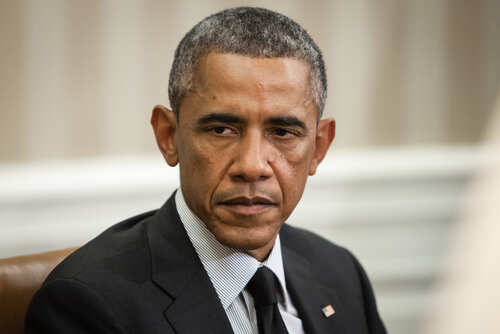
After President Joe Biden’s withdrawal from the 2024 presidential race, Nancy Pelosi quickly endorsed Kamala Harris as the Democratic nominee. This decision was met with significant frustration from Barack Obama, who had previously agreed with Pelosi that Harris should not receive an unchallenged nomination. Obama reportedly expressed his displeasure in a phone call to Pelosi, questioning her sudden decision.
The revelation of this call and its tone, described as either “genuinely irritated” or “good-natured ribbing,” highlights the lack of consensus and unity within the Democratic Party. The party faced a leadership crisis following Biden’s exit, and the endorsement of Harris underscored the internal disputes over the party’s direction. The decision by Pelosi, despite her own reservations about Harris, further complicated the situation.
Rapid Consolidation and Party Dynamics
The quick consolidation of support for Harris raised eyebrows and exposed the fragile unity within the Democratic Party. Major figures like the Clintons, Alexandria Ocasio-Cortez, and several state governors swiftly backed Harris, aiming to avoid a divisive primary process. However, this move sidelined potential challengers and left many questioning Harris’s ability to unite the party and win the general election.
Obama’s eventual endorsement of Harris, alongside Michelle Obama, occurred five days after Pelosi’s initial endorsement. This sequence of events not only exposed the party’s internal tensions but also highlighted the influence of key figures like Pelosi in shaping the party’s trajectory.
Long-term Implications for the Democratic Party
The endorsement saga and its aftermath present both short-term and long-term challenges for the Democratic Party. In the immediate term, the avoidance of a contested primary process might have prevented a messy internal battle, but it exposed significant tensions among top leaders. There are ongoing concerns about whether Harris can effectively rally the party and lead it to victory in the general election.
In the long run, this episode sets a potential precedent for future succession crises, raising questions about the party’s commitment to democratic processes and transparency. The rapid endorsement of Harris could erode trust between different party factions and impact the party’s image as inclusive and representative of diverse voices.
Sources:
‘What the f*** did you just do?’ Obama’s furious call to Nancy Pelosi after election betrayal
‘What the f*** did you just do?’ Obama’s furious call to Nancy Pelosi after election betrayal
‘What the f*** did you just do?’ Obama’s furious call to Nancy Pelosi after election betrayal