

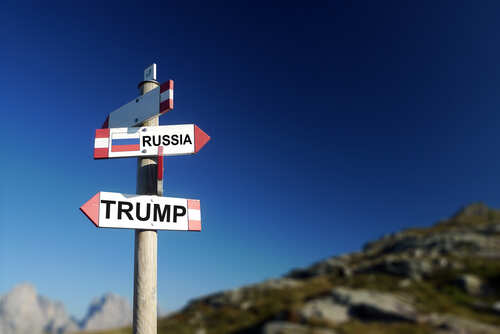
In a world where nuclear threats are thrown around like confetti, the stakes have never been higher.
Story Snapshot
- Trump deploys nuclear submarines near Russia after Medvedev’s nuclear threats.
- Medvedev uses social media to escalate tensions with provocative statements.
- US-Russia relations deteriorate further amid ongoing Ukraine conflict.
- International community watches nervously as nuclear rhetoric intensifies.
Trump’s Nuclear Submarine Deployment
On August 1, 2025, President Donald Trump ordered the deployment of two US nuclear submarines closer to Russia. This move came in response to Dmitry Medvedev’s nuclear threats, delivered via Telegram. Trump described Medvedev’s statements as “highly provocative,” emphasizing the seriousness of the threat. The deployment aims to serve as a deterrent, highlighting the US administration’s willingness to respond decisively to nuclear provocations.
While Medvedev, once considered a moderate, has increasingly embraced a hardline stance, his recent comments have escalated tensions to new heights. By referencing Russia’s “Dead Hand” nuclear control system, Medvedev has reignited fears of Cold War-era brinkmanship. The situation has prompted a swift response from the US, with Secretary of State Marco Rubio underlining the gravity of Medvedev’s threats.
The Role of Social Media in Nuclear Rhetoric
The use of social media as a platform for nuclear threats marks a disturbing new chapter in international relations. Medvedev’s choice of Telegram to issue his statements showcases how digital platforms can amplify tensions. This development illustrates the evolving nature of geopolitical discourse, where public figures leverage social media’s reach to convey messages that previously might have been confined to diplomatic channels.
The implications of this shift are profound. By bypassing traditional media and diplomatic protocols, figures like Medvedev can swiftly escalate situations, forcing rapid responses from global leaders. This dynamic increases the risk of miscalculation and underscores the need for clear communication channels to prevent unintended consequences.
Historical Context and Ongoing Tensions
The current situation is rooted in a long history of strained US-Russia relations, with nuclear deterrence as a central theme since the Cold War. The relationship further soured following Russia’s 2022 invasion of Ukraine, leading to Western sanctions and heightened tensions. Medvedev’s shift from moderate to hawkish rhetoric reflects a broader trend among Russian elites, emphasizing the perceived need for strong deterrence against perceived Western aggression.
The backdrop of ongoing US-Russia tensions over Ukraine and Iran adds layers of complexity to the current crisis. The US airstrikes on Iranian nuclear facilities in June 2025, followed by Medvedev’s nuclear escalation threats, illustrate the interconnected nature of these geopolitical challenges. Trump’s administration has taken a more confrontational stance, particularly regarding Russian actions in these regions.
International Reactions and Future Implications
As the international community grapples with the latest developments, reactions have been mixed. While some analysts view Medvedev’s statements as bluster aimed at domestic audiences, others warn of the potential for misinterpretation and escalation. The deployment of US nuclear submarines serves as a visible deterrent, but it also raises the stakes, increasing the risk of a military confrontation.
In the short term, the situation has heightened military alertness and strained diplomatic relations. However, the long-term implications are more concerning, as the normalization of nuclear threats in public discourse could erode trust further and potentially lead to an arms race. Populations in Europe and North America, already anxious about the conflict, face greater uncertainty.
Sources:
Institute for the Study of War