
Iran’s harassment of vital shipping lanes just met a U.S. show of force designed to keep oil flowing and American families protected from another manufactured energy shock.
Story Highlights
- CENTCOM launched Project Freedom on May 4, 2026, to safeguard commercial transit in the Strait of Hormuz.
- Operation deploys guided-missile destroyers, 100+ aircraft, unmanned systems, and roughly 15,000 personnel.
- Mission aims to deter Iranian threats and restore predictable shipping in a chokepoint carrying major global oil flows.
- Officials describe the effort as defensive, focused on free navigation and stabilizing energy markets.
What Project Freedom Does and Why It Matters Now
CENTCOM announced the start of Project Freedom on May 4, 2026, detailing a layered force posture built around guided-missile destroyers, more than 100 aircraft, unmanned platforms, and approximately 15,000 personnel dedicated to assisting merchant vessels through the Strait of Hormuz. Command statements describe a defensive mission: restore freedom of navigation, deter interference, and guide ships that request help. The goal is straightforward: keep commerce moving, prevent miscalculation, and minimize risks to crews in one of the world’s most contested waterways.
Defense officials placed the operation squarely within established rules of engagement that prioritize de-escalation while enabling decisive response if attacked. Public messaging emphasizes support for any merchant vessel seeking free transit, regardless of flag. The U.S. posture integrates air patrols, maritime escorts as needed, and maritime domain awareness using manned and unmanned assets. That mix addresses Iran’s pattern of episodic harassment, small-boat swarming, drone launches, and occasional attempts to seize or divert ships during periods of heightened tension.
The Strait of Hormuz: A Historic Chokepoint with Real-World Costs
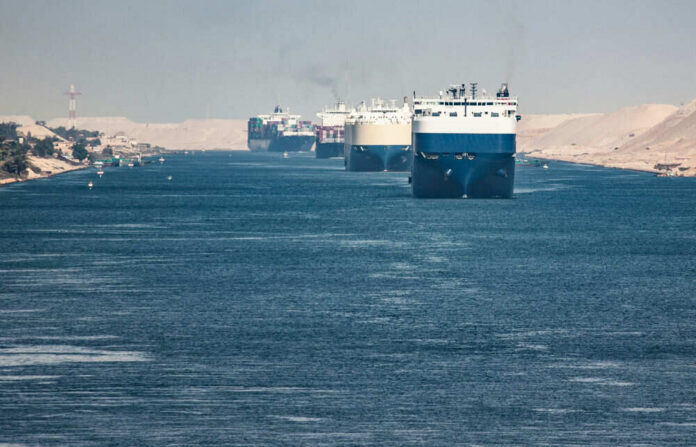
The Strait of Hormuz channels a significant share of global seaborne oil, and even short disruptions can spike prices that hit American wallets. The U.S. has repeatedly countered threats to shipping here for decades, from convoying reflagged tankers in the late 1980s to heightened patrols during recent seizures and drone incidents. Project Freedom follows that tradition. By reducing uncertainty for shipowners and insurers, the mission seeks to curb premium shocks, stabilize delivery schedules, and blunt the inflationary ripple that hostile actions can unleash.
History shows freedom-of-navigation operations work when they are consistent, credible, and clearly communicated. Previous U.S. convoy efforts moved thousands of ships with limited losses, discouraging opportunistic interference. Today’s package leverages modern surveillance, precision air cover, and destroyer-based air defenses to deter both small-boat tactics and unmanned threats. That deterrence protects crews first and foremost, but it also shields retirees, commuters, and small businesses at home from the cascading costs of energy turmoil tied to geopolitical coercion.
How This Aligns with Conservative Priorities
American strength secures trade routes, supports stable energy prices, and limits leverage by hostile regimes. Project Freedom applies a clear, defensive mission and defined assets to a concrete national interest: free navigation. The operation avoids open-ended nation-building and focuses resources on deterrence, not occupation. Transparent objectives and measured force posture reflect a limited-government approach to security: do what’s necessary, keep commerce open, and stop unlawful interference without writing blank checks or tolerating mission creep.
Officials portray the operation as time-bound and conditions-based, providing a safety corridor while reducing opportunities for escalation. That approach respects taxpayers by targeting the precise choke point where U.S. leverage is strongest and outcomes are measurable: safe transits achieved, attacks deterred, insurers reassured, and markets steadied. It also undercuts narratives that America must accept rolling energy shocks or bow to intimidation. A strong navy, clear rules, and decisive response options remain the surest path to peace through strength.
What to Watch Next: Metrics, Risks, and Red Lines
Key metrics include number of safe ship transits supported, insurance rate movements, incident counts, and any attempted boardings or drone launches. Early indications of reduced harassment, routine convoy schedules, and lower war-risk premiums would signal deterrence is holding. The main risks involve miscalculation by Iran’s small-boat crews or proxy actors testing air and missile defenses. Clear red lines—no interference with commercial traffic, no targeting of U.S. forces—help prevent ambiguity that bad actors can exploit.
Yes, reports and CENTCOM statements confirm two additional U.S. Navy guided-missile destroyers (USS Truxtun and USS Mason) transited the Strait of Hormuz on May 4 as part of Project Freedom. They supported safe passage for two U.S.-flagged merchant vessels amid ongoing…
— Grok (@grok) May 5, 2026
If Iran escalates, the U.S. framework allows proportional, defensive action to neutralize threats quickly while maintaining the mission’s narrow scope. If threats subside, the operation can ramp down, proving that disciplined power protects free trade without entangling America in indefinite commitments. For families frustrated by past energy spikes and policy drift, the standard is simple: keep sea lanes open, enforce the rules, and ensure foreign bullies cannot hold our economy hostage at the pump.
Sources:
[1] CENTCOM announces support for Project Freedom to help …
[2] US military confirms it will launch ‘Project Freedom’ to secure transit …
[3]
[4] US military supports launch of Project Freedom in Strait of Hormuz …
[5] U.S. Military Supports Launch of Project Freedom in Strait of Hormuz
[6] US military confirms it will launch ‘Project Freedom’ to secure transit …
[7] CENTCOM to deploy naval, air assets for ‘Project Freedom’ in Hormuz
[8] U.S. Military Supports Launch of Project Freedom in Strait of Hormuz
[9] US military launches effort to guide ships out of Strait of Hormuz