

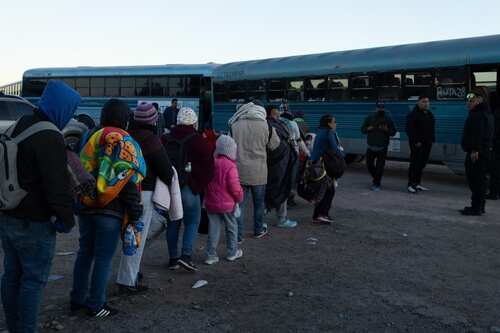
ICE’s recent deportation of 12 Laotian nationals, deemed “barbaric criminals,” underscores a victory for public safety and immigration enforcement under the Trump administration.
Story Highlights
- The Trump administration deported 12 Laotian nationals with serious criminal convictions.
- Deportations follow pressure tactics like travel bans and visa sanctions on Laos.
- Laos’ historical resistance to accepting deportees has been challenged.
- Deportations emphasize the administration’s tough stance on immigration enforcement.
Trump Administration’s Immigration Enforcement Victory
On August 11, 2025, the Trump administration successfully deported 12 Laotian nationals with serious criminal convictions, marking a significant step in its broader campaign to remove criminal aliens from U.S. soil. These deportations are notable because they include individuals with long-standing removal orders, some dating back over two decades. The Department of Homeland Security (DHS) and Immigration and Customs Enforcement (ICE) have emphasized the importance of this operation for public safety.
The removal of these individuals follows a series of diplomatic and legal challenges, particularly due to Laos’ historical reluctance to accept deportees. This reluctance has been a long-standing hurdle in U.S. immigration enforcement efforts. However, this time, the U.S. applied significant pressure through travel bans and visa sanctions, compelling Laos to cooperate by issuing the necessary travel documents for these individuals.
'Barbaric criminals': ICE removes slew of Southeast Asian nationals convicted of serious crimes https://t.co/MGRpuASp4K
— Fox News Politics (@foxnewspolitics) August 14, 2025
Pressure Tactics and Diplomatic Maneuvers
In June 2025, the U.S. imposed a partial travel ban and visa sanctions on Laos, a strategic move to force cooperation from a country that has historically been uncooperative in accepting deportees. This pressure led to the Laotian government finally complying with U.S. demands by providing the required travel documents. These tactics highlight the Trump administration’s commitment to using executive authority to overcome obstacles in immigration enforcement, especially concerning criminal aliens.
ICE officials have reiterated their focus on removing individuals who pose a threat to public safety, and the recent deportations serve as a testament to these efforts. The deported individuals were convicted of serious crimes such as child sex offenses, obstructing murder investigations, and drug trafficking. These operations demonstrate the administration’s unwavering resolve to protect American citizens from those deemed threats to society.
Implications for U.S.-Laos Relations and Future Deportations
The deportations have strained diplomatic relations between the U.S. and Laos but have also set a precedent for future cooperation. As Laos continues to comply under U.S. pressure, it opens the door for more deportations of Laotian nationals, including those with older or minor convictions. This move is likely to have significant social and political implications, both within affected immigrant communities and in broader U.S. immigration policy.
Critics argue that such aggressive enforcement measures disproportionately affect refugee populations and long-term residents. However, supporters firmly believe that these actions are necessary to uphold the rule of law and ensure public safety. The Trump administration’s use of travel bans and visa sanctions is a testament to its resolve in addressing longstanding immigration and public safety challenges.
As the administration continues to prioritize the removal of criminal aliens, the ongoing challenges and debates surrounding immigration enforcement are expected to persist. The impact on Southeast Asian communities, particularly those with pending removal orders, remains a crucial aspect of this evolving situation. The administration’s actions may influence future U.S. immigration policy, setting a new standard for dealing with recalcitrant countries and criminal deportations.
Sources:
Fox News (DHS/ICE statements, deportation details)
Asian Law Caucus (historical context, community impact)
American Immigration Council (policy analysis, travel ban context)
“`