
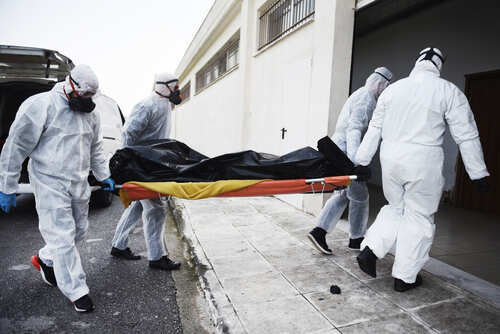
Four New Yorkers are dead and nearly one hundred infected after city-run buildings failed to protect residents from a lethal Legionnaires’ disease outbreak—raising urgent questions about government oversight and public safety.
Story Snapshot
- Four deaths and almost 100 infections linked to Legionnaires’ disease in Central Harlem since late July 2025.
- Outbreak traced to contaminated cooling towers in at least ten buildings, including city-run facilities and a major hospital.
- Remediation efforts are nearly complete, with city officials reporting a recent decline in new cases.
- The crisis spotlights failures in public health oversight and the risks of bureaucratic mismanagement in densely populated urban centers.
Deadly Outbreak Exposes Public Health System Flaws
Since late July 2025, Central Harlem has been at the center of a rapidly escalating public health emergency, as a Legionnaires’ disease outbreak has claimed four lives and sickened nearly one hundred residents. Investigations quickly tied the outbreak to contaminated cooling towers across at least ten buildings—including city-owned properties and Harlem Hospital. With the city’s vulnerable—elderly, immunocompromised, and smokers—most at risk, frustrations have mounted over the apparent breakdowns in routine safety protocols that allowed bacteria to thrive in the heart of New York City.
&pp=0gcJCa0JAYcqIYzv
Legionnaires’ disease, a severe pneumonia caused by Legionella bacteria, has a storied history in the United States, first identified after a 1976 outbreak at an American Legion convention. The bacteria thrive in warm water systems such as cooling towers, making urban environments—especially during hot summers—particularly susceptible. While New York City has imposed stricter maintenance regulations following past outbreaks, routine inspections sometimes fail to catch rapid bacterial growth, leaving residents exposed. This latest Harlem cluster follows a disturbing pattern of city health lapses and delayed responses, despite regulatory mandates.
Timeline and City Response: A Race Against Time
On July 25, 2025, the NYC Health Department announced a cluster of 58 cases and two deaths, triggering a full-scale investigation. By August 4, city officials reported ongoing remediation, but the crisis continued to escalate—reaching 92 cases and three deaths by August 14. Health authorities identified twelve contaminated cooling towers, eleven of which were remediated by mid-August, with the last scheduled for completion by August 15. Throughout this period, public statements from Mayor Eric Adams and Acting Health Commissioner Dr. Michelle Morse attempted to reassure the community, emphasizing that swift interventions were underway and that new cases were declining—a signal, they argued, of successful containment.
Despite these assurances, the reality for Harlem’s residents has been marked by anxiety and disruption. Hospitals faced increased admissions, businesses in affected buildings closed, and families questioned why city-run facilities failed to prevent the crisis. The city’s reliance on routine inspections and scheduled maintenance, rather than proactive real-time monitoring, left critical gaps. Even after past incidents—such as the 2015 Bronx outbreak that killed 12—officials had promised reforms. Yet, as this latest tragedy shows, entrenched bureaucratic inefficiencies and lack of accountability continue to put lives at risk.
Who Is Accountable? Bureaucracy, Building Owners, and Public Trust
The outbreak’s aftermath has reignited debates over responsibility and government accountability. The NYC Department of Health and Mental Hygiene leads investigations and oversees remediation, but ultimate responsibility for maintaining safe water systems rests with building owners—public and private alike. Critics argue that city-run facilities, tasked with setting the standard, failed their most basic duty to protect tenants and patients. Vulnerable populations—especially the elderly and chronically ill—were disproportionately affected, underlining the human cost of regulatory lapses. As legal scrutiny mounts, city officials face pressure to deliver real transparency and lasting reforms, not just public reassurances.
Industry experts, including Dr. Vani George of Mount Sinai, reaffirm that Legionnaires’ disease is not contagious and is treatable with antibiotics. Still, experts highlight that preventing Legionella growth in large municipal water systems is a persistent challenge. They call for more frequent inspections, real-time monitoring technologies, and better communication with at-risk communities. Yet, practical solutions require more than new rules—they demand a culture of accountability and a commitment to public safety over political expediency and bureaucratic inertia. Without genuine reform, city dwellers remain at the mercy of preventable public health disasters.
Broader Lessons: Urban Risks and the Need for Vigilance
This Harlem outbreak is a stark warning that even the most regulated urban centers are not immune to lapses in basic public health protections. The financial and social costs—hospitalizations, emergency remediation, lost business, and shaken public trust—underscore the stakes. For conservative Americans, the lesson is clear: government overreach and mismanagement often fail where common sense, local responsibility, and rigorous oversight should prevail. As New York City leaders promise to review protocols and tighten regulations, residents across the country should demand transparency, accountability, and a renewed respect for the foundational principle of public safety—for every community, not just the politically favored.
Sources:
NYC Health Provides Second Legionnaires’ Cluster Update
NYC Health Provides Third Legionnaires’ Cluster Update
4th Person Dies After Legionnaires’ Disease Outbreak Sickens Nearly 100 in Harlem
What You Need to Know Right Now About Legionnaires’ Disease in New York City