
As Typhoon Kalmaegi devastates the Philippines with catastrophic flooding and loss of life, Americans are reminded why secure borders, strong infrastructure, and decisive leadership matter more than ever.
Story Snapshot
- Typhoon Kalmaegi wreaked havoc in the central Philippines, dragging vehicles away and causing massive destruction.
- Multiple rapid landfalls resulted in severe flooding, collapsed infrastructure, and high casualties across several islands.
- Authorities report at least 48 dead and 28 missing, with numbers expected to climb as rescue operations continue.
- Storm highlights urgent needs for disaster preparedness, resilient infrastructure, and decisive crisis management worldwide.
Typhoon Kalmaegi Unleashes Destruction on the Philippines
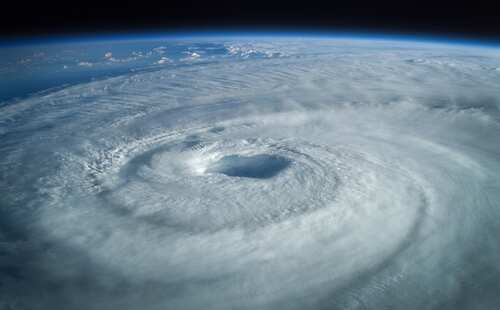
Typhoon Kalmaegi, locally known as Typhoon Tino, struck the central Philippines in early November 2025, unleashing torrential rains and catastrophic flooding. The storm’s rapid intensification caught many communities off guard as it made multiple landfalls across densely populated islands such as Cebu, Leyte, and Negros Occidental. Dramatic scenes of vehicles being swept away by relentless floodwaters and entire neighborhoods submerged in water have underscored the severity of this natural disaster. The human toll is substantial, with widespread destruction and significant loss of life reported.
As the typhoon carved its destructive path, authorities scrambled to respond. The Philippine Atmospheric, Geophysical, and Astronomical Services Administration (PAGASA) issued repeated warnings, while local government units managed evacuations and coordinated emergency relief. The National Disaster Risk Reduction and Management Council (NDRRMC) oversaw the national response, mobilizing military resources for rescue operations. International aid organizations have since joined efforts, highlighting the scale of the crisis and the urgent need for humanitarian assistance in the aftermath.
Storm Path, Casualties, and Ongoing Impact
Kalmaegi’s timeline reveals the rapid escalation of its threat: from an area of convection on October 30, it became a tropical depression within a day, then strengthened to a typhoon by November 3. On November 4, it made multiple landfalls in Southern Leyte, Cebu, Negros Occidental, Guimaras, Iloilo City, and Palawan. By November 5, at least 48 fatalities and 28 missing persons had been confirmed, with the true extent of loss likely to rise as more remote areas are reached. Infrastructure across the region has been decimated—washed-out roads, collapsed bridges, and widespread power outages are complicating rescue and relief operations and deepening the suffering of affected communities.
Central Visayas, long known for its vulnerability to tropical cyclones due to its geography and river systems, again bears the brunt of nature’s fury. The disruption of utilities, transportation, and communication networks has left thousands displaced and in urgent need of food, water, shelter, and medical care. As recovery begins, local businesses, farmers, and fisherfolk face long-term economic setbacks, and social disruption is widespread.
Lessons for the U.S.: Infrastructure, Borders, and Preparedness
The devastation wrought by Typhoon Kalmaegi offers a sobering lesson for the United States. While America’s geographic position shields it from Pacific typhoons, the core issues—weak infrastructure, inadequate preparedness, and slow crisis response—are universal risks. The breakdown in the Philippines illustrates what happens when government fails to prioritize resilient infrastructure and robust emergency systems. For Americans frustrated by years of government overreach, misplaced spending, and leftist globalist agendas, Kalmaegi’s aftermath is a stark warning. It shows why secure borders, competent leadership, and investment in national preparedness must never be compromised—whether facing natural disasters or man-made threats. In the wake of leftist fiscal mismanagement that fueled inflation and neglected critical infrastructure, the need for common-sense priorities and conservative stewardship is clearer than ever.
Typhoon Kalmaegi Creates ‘Hell On Earth’ Scenes Including Several Vehicles Getting Dragged By Ruthless Flooding https://t.co/HxqPtxrIPd via @dailycaller
— Michael Schoenecker (@mike_ofi) November 4, 2025
The scale of this tragedy also reminds us of the critical value of strong communities and family ties, core conservative principles that help societies weather storms. As the Philippines begins the long recovery process, Americans are called to reaffirm their commitment to constitutional values—limited government, individual responsibility, and a relentless focus on safeguarding the nation’s security and prosperity. The world is watching; America must lead by example, ensuring that our own house remains in order and our people protected from both natural and political disasters.
Sources:
Wikipedia: Typhoon Kalmaegi (2025)
Zoom Earth: Typhoon Kalmaegi (Tino) LIVE Tracker, Updates & Forecast