

“`html
The United States’ decision to withdraw from UNESCO once again highlights the nation’s ongoing struggle with globalist agendas that threaten its sovereignty and values.
Story Highlights
- The US announces its withdrawal from UNESCO, effective December 2026.
- This marks the third such withdrawal, reinforcing an “America First” stance.
- The move is in response to UNESCO’s alleged anti-Israel bias and divisive agendas.
- UNESCO and the UN express regret, highlighting potential impacts on multilateralism.
Trump Administration’s Decision to Withdraw
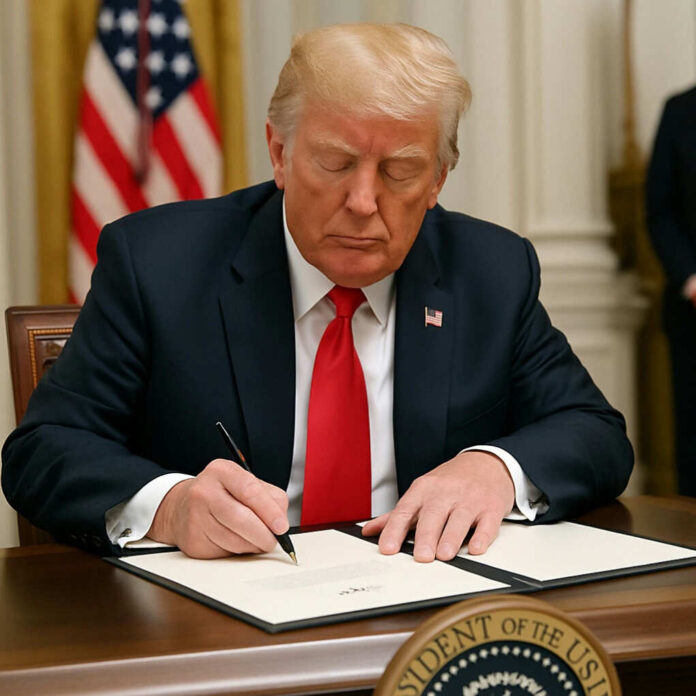
On July 22, 2025, President Donald Trump announced that the United States would withdraw from the United Nations Educational, Scientific and Cultural Organization (UNESCO). The decision, effective December 31, 2026, cites concerns over UNESCO’s divisive social and cultural causes, particularly its focus on the UN Sustainable Development Goals (SDGs) and the admission of Palestine as a member state. This move is part of a broader strategy to protect US interests from perceived globalist and ideological threats.
This withdrawal represents the third major disengagement of the US from UNESCO, reflecting a consistent pattern of skepticism towards UN agencies perceived to undermine American values and interests.
Historical Context and Implications
UNESCO, established in 1945, aims to promote international collaboration in education, science, and culture. The US has had a complex relationship with the organization, withdrawing previously in 1984 and 2017, mainly due to allegations of mismanagement and anti-Western bias. The current withdrawal follows a brief return under President Biden in 2023, signifying a shift back to prioritizing national sovereignty over multilateral commitments.
The decision may lead to a reduced US role in shaping global education and cultural policies, impacting US-based projects and initiatives. Despite this, UNESCO has diversified its funding sources, mitigating the financial impact of the US’s departure.
Reactions and Future Prospects
UNESCO and United Nations officials have expressed deep regret over the US decision, emphasizing the potential negative impact on multilateral cooperation and US-based partners. The US administration, however, maintains that the withdrawal is necessary to protect national interests from divisive social and cultural causes promoted by globalist agendas.
While the withdrawal may weaken US influence in UNESCO, it aligns with the administration’s commitment to defending the nation’s sovereignty and traditional values against international pressures.
As the US remains a member until the end of 2026, debates about multilateralism and national sovereignty are expected to intensify, with potential implications for US foreign policy and international standing.
Sources:
Nature (scientific community perspective)
“`