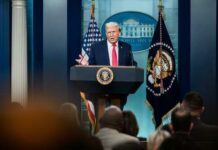

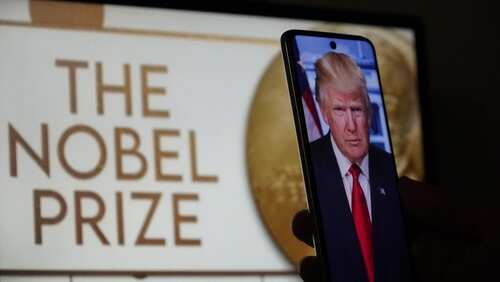
In a move that has stunned the global establishment, seven nations have nominated Donald Trump for the Nobel Peace Prize, underscoring his direct diplomatic interventions and igniting fierce debate over the true meaning of peace leadership.
Story Snapshot
- Seven countries—Armenia, Azerbaijan, Cambodia, Gabon, Israel, Pakistan, and Rwanda—have publicly nominated Trump for the 2025 Nobel Peace Prize, citing his pivotal role in brokering peace and ceasefire agreements.
- Trump’s unconventional, direct diplomacy is credited with resolving long-standing conflicts, including the Armenia-Azerbaijan dispute over Nagorno-Karabakh and hostilities in Southeast Asia and Central Africa.
- The unprecedented, simultaneous nominations from diverse regions have triggered heated public and political debate over the legitimacy and impact of these endorsements.
- The Nobel Committee maintains strict confidentiality on nominees while global media and experts question whether these diplomatic breakthroughs will lead to lasting peace.
Seven Nations Rally Behind Trump’s Nobel Peace Prize Nomination
Heads of state from Armenia, Azerbaijan, Cambodia, Gabon, Israel, Pakistan, and Rwanda have formally nominated former President Donald Trump for the 2025 Nobel Peace Prize. Each leader pointed to Trump’s direct involvement in resolving their regions’ most persistent conflicts, including the historic Armenia-Azerbaijan peace deal over Nagorno-Karabakh, new ceasefires in Southeast Asia, and a cessation of hostilities in Central Africa. These nominations represent a rare, coordinated acknowledgment of one individual’s impact across multiple, unrelated geopolitical flashpoints.
Public announcements began in July, as Israeli Prime Minister Benjamin Netanyahu credited Trump’s intervention following renewed tensions with Iran. By early August, leaders from Armenia and Azerbaijan jointly recognized Trump’s mediation in securing a long-sought peace agreement, a breakthrough many observers considered unlikely just months prior. Throughout August, Cambodia and Thailand highlighted his role in resolving their border dispute, while Rwanda and Gabon commended his efforts to end violence with the Democratic Republic of the Congo. The cascade of nominations culminated on August 13, when multiple governments made their endorsements public, sparking global media attention and debate.
Unconventional Diplomacy and its Impact
Trump’s foreign policy, rooted in direct negotiation and “peace through strength,” has long set him apart from traditional globalist approaches. His hands-on style produced the Abraham Accords during his first term and now, in his second administration, appears to have facilitated agreements in regions where entrenched hostilities seemed insurmountable. Supporters argue that these tangible results validate Trump’s methods and challenge the left’s narrative that American leadership should defer to multilateral bureaucracies. Yet, critics and some diplomats question the sustainability of these agreements, raising concerns about whether political motivations or genuine progress drove the nominations.
Historical context further complicates the debate. Past Nobel Peace Prizes—such as Barack Obama’s 2009 award for “extraordinary efforts to strengthen international diplomacy,” or Ethiopia’s Abiy Ahmed for resolving conflict with Eritrea—have faced scrutiny over whether symbolic gestures outpaced real-world outcomes. Trump’s nominations, made public by heads of state rather than the Nobel Committee itself, have reignited discussions about the prize’s purpose and the political weight it carries in an unstable world.
Confidentiality, Controversy, and the Road Ahead
The Norwegian Nobel Committee, which administers the Peace Prize, does not disclose nominee identities and maintains strict secrecy for 50 years following each award cycle. This policy has led to speculation and, at times, misinformation—such as unsubstantiated rumors circulating on social media about Trump’s removal from the nominee list, which reputable fact-checkers have debunked. Officially, the Committee confirmed that 338 candidates have been submitted for the 2025 award, with the winner to be announced on October 10, 2025. The process’s opacity, while designed to preserve impartiality, has only intensified public debate as the world awaits the outcome.
Expert analysis remains divided. United Nations specialists warn that while agreements are a critical first step, their real test lies in implementation and long-term cooperation. Political scientists and commentators emphasize that, regardless of the Committee’s final decision, the current flood of nominations has already shifted global perceptions of U.S. foreign policy. For Trump’s supporters and many frustrated by years of failed “woke” diplomacy, these nominations represent validation of a results-oriented, America-first approach—one that prioritizes peace through decisive action rather than endless negotiation and government overreach.
https://twitter.com/newsweek/status/1701234567890123456
The coming months will determine whether Trump’s unprecedented international endorsements will translate into the Nobel Peace Prize or remain a powerful statement about the changing face of global diplomacy. Either way, the ongoing debate underscores the urgent need to defend constitutional values, protect America’s sovereignty, and demand genuine results from those who claim to lead on the world stage.
Sources:
What Trump’s Nobel Nominations Say About the Peace Prize (The Hilltop Online)
Nomination and Selection of Peace Prize Laureates (NobelPrize.org)
2025 Nobel Peace Prize (Wikipedia)
Fact Check: Trump on Nobel Peace Prize List (Snopes)