
A new policy threatens American businesses by imposing a $100,000 fee on H-1B visa applications, igniting legal battles and economic concerns.
Story Highlights
- A $100,000 fee on new H-1B visa petitions was imposed by the Trump administration, aiming to curb program abuse.
- Critics argue the fee is an unlawful barrier, impacting healthcare, education, and research sectors.
- The policy has led to legal challenges from a coalition of states and business groups.
- A federal court upheld the fee, but appeals and lawsuits are ongoing.
Trump’s New H-1B Visa Fee Sparks Controversy
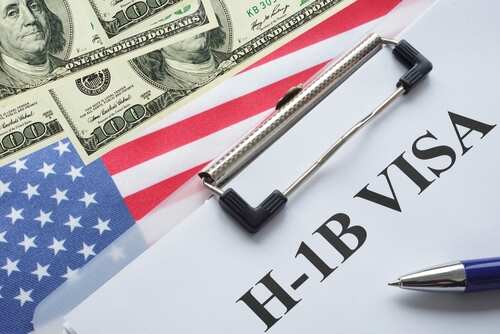
In a significant move, President Trump has directed the Department of Homeland Security to impose a $100,000 fee on new H-1B visa petitions. This dramatic increase from previous fees of $1,000 to $7,600 is intended to curb what the administration describes as widespread abuse of the program. The administration argues that this step will protect American workers and enhance national security by restricting noncitizen entry, a measure it claims is within the president’s authority.
The new fee structure has drawn sharp criticism from businesses and educational institutions, which rely on foreign specialty occupation workers to fill critical roles. Opponents argue that the fee is a prohibitive barrier that unlawfully restricts access to skilled labor, vital in areas like healthcare, education, and research. Despite these concerns, a federal district court ruled on December 23, 2025, that the fee does not exceed the president’s authority under the Immigration and Nationality Act, although legal challenges continue.
Legal Battles and Economic Implications
The U.S. Chamber of Commerce and the Association of American Universities have filed appeals against the court’s decision, citing the fee as an economic impediment that threatens to exacerbate labor shortages and increase costs for businesses, especially small and medium-sized enterprises. Meanwhile, a coalition of 19 states, led by Delaware Attorney General Kathy Jennings, has filed a lawsuit arguing that the fee violates the Administrative Procedure Act by exceeding congressional intent and ignoring established rulemaking processes.
The fee’s impact extends beyond legal circles, as it poses significant economic challenges. With 74% of U.S. school districts already struggling to fill teaching positions, particularly in special education and STEM fields, the fee could further restrict access to qualified educators. Similarly, healthcare facilities, especially in underserved areas, may face difficulties in recruiting necessary medical professionals, potentially affecting patient care and service delivery.
Future Outlook and Broader Impacts
The Trump administration’s policy on H-1B visas, marked by this substantial fee increase, highlights a shift toward more restrictive immigration measures. While proponents argue that it addresses program abuse and national security concerns, critics warn of long-term repercussions, including reduced innovation and a diminished global talent pool. As legal proceedings continue, the broader implications for various sectors remain uncertain, with potential changes in visa policy impacting the economy, education, and healthcare systems.
In conclusion, the $100,000 H-1B visa fee imposed by the Trump administration has sparked significant debate, highlighting tensions between national security priorities and the economic needs of American employers. As the legal battles unfold, the policy’s full impact on the U.S. workforce and economy will continue to be closely watched by stakeholders across various sectors.
Sources:
AG Jennings Sues Trump to Block Exorbitant H-1B Visa Fees
USCIS Announces FY 2026 Inflation Increase for Certain Immigration-Related Fees
Trump $100,000 Fee on H-1B Visa
Trump Can Order Employers to Pay Extra H-1B Fee: Chamber of Commerce