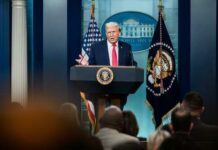


Controversy escalates as South African President Cyril Ramaphosa staunchly defends the constitutional freedom of expression regarding the “Kill the Boer” chant despite international criticism.
At a Glance
- President Ramaphosa emphasizes constitutional protection of controversial chants.
- US President Trump questions South Africa’s handling of chant leader, Julius Malema.
- South African courts categorize the chant as a liberation slogan, not a literal threat.
- Tensions rise over violent attacks on white farmers and the implications of free speech.
Protecting Freedom of Expression
President Cyril Ramaphosa declares that those singing the “Kill the Boer” song will not face arrest due to protections under the nation’s constitution. These statements ignite debates about the boundaries of free speech, especially when juxtaposed against the historical echoes of the chant. The South African Constitutional Court had previously recognized the song as a liberation chant, fundamentally ingrained in the anti-apartheid movement, distinguishing it from being an incitement of violence.
Critics, however, including US President Donald Trump, have imposed significant pressure on South Africa, citing the increase in attacks on white-owned farms as worrisome. Trump explicitly questioned why Julius Malema, a pivotal figure leading these chants at rallies, remains unarrested. This scrutiny places South Africa in a heated international spotlight, questioning how far freedom of expression extends amid ongoing violence threats.
🔴 Thabo Mbeki Backs Malema, Says “Kill the Boer” Is Not a Call to Violence🔴
Former South African President Thabo Mbeki has defended the controversial “Kill the Boer” chant, widely sung by Economic Freedom Fighters (EFF) leader Julius Malema, saying it is a symbolic expression… pic.twitter.com/cwntdSKsyg
— Central News (@centralnewsza) May 26, 2025
Trending Interactions Between Global Leaders
The exchange between President Ramaphosa and Trump highlights significant diplomatic tensions. Ramaphosa maintains that foreign entities should not dictate South African law, emphasizing the nation’s sovereignty. The legal independence of the South African justice system underscores Ramaphosa’s steadfast defense against foreign interference. Trump pointed toward Julius Malema’s influence during his confrontations, acknowledging concerns over the intensifying pattern of assaults on white farmers.
“President Cyril Ramaphosa said that no one would be arrested for singing the “Kill the Boer” song, citing its constitutionally protected speech.” – President Cyril Ramaphosa
Focusing on both the song classification by judiciary bodies and rising violence concerns, this dynamic created a rich tapestry of historical context, racial tensions, and the battle over modern rights. Despite this, the protection and persistence of the chant indicate its symbolic cultural importance, as seen through the South African legal lens.
Balancing Constitutional Freedoms and National Security
The defense of constitutional freedoms by President Ramaphosa reflects an ongoing commitment to uphold civil liberties. As tensions grow over land ownership and violent incidents, South Africa’s need to respect free expression while mitigating risks becomes increasingly pertinent. The legal system’s framework that allows for such chants intends to protect expression without directly advocating for harm, a controversial stance given the complexities involved.
“We are a very proud sovereign country that has its own laws, processes and we take into account what the Constitutional Court also decided when it said that slogan ‘Kill the boer, kill the farmer’ is a liberation chant and slogan.” – President Cyril Ramaphosa
This contentious debate illustrates the fine line between preserving freedom and ensuring public safety, highlighting the delicate balance South Africa navigates. Ramaphosa’s defense of this chant serves as both a reminder of past struggles and a decisive political maneuver in maintaining autonomy in handling domestic affairs from external pressures.