
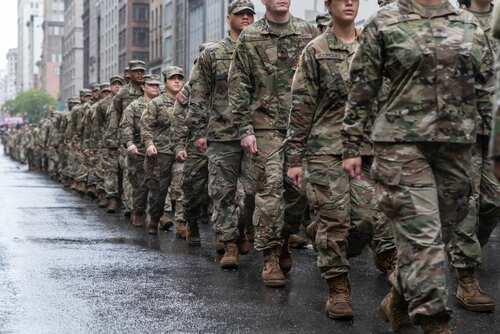
President Trump’s deployment of the National Guard to Memphis sparks a contentious debate on federal intervention in Democratic-led cities.
Story Highlights
- President Trump deploys National Guard to Memphis, addressing crime concerns.
- Despite crime rate decreases, Trump cites support from Tennessee Governor.
- Memphis Mayor disputes the necessity of federal intervention.
- The deployment tests the limits of presidential power in non-emergency contexts.
Trump’s Deployment Strategy
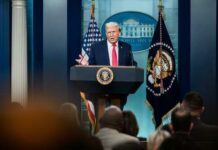
In a recent move, President Donald Trump announced the deployment of the National Guard to Memphis, Tennessee, citing concerns over crime rates. This decision aligns with his broader strategy of expanding federal intervention in cities with Democratic leadership. Despite recent statistics indicating a decrease in crime, Trump emphasized the necessity for federal action, a sentiment echoed by Tennessee Governor Bill Lee, who supports the initiative.
The deployment, announced on Fox News in mid-September 2025, has stirred debate across various sectors. While Trump claimed to have the backing of local authorities, Memphis Mayor Paul Young expressed his dismay, stating the deployment was unwarranted and not requested by the city. This controversy highlights the ongoing tension between federal authority and local governance in addressing urban crime.
Local Reactions and Political Dynamics
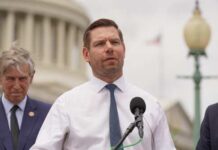
The announcement has drawn mixed reactions from Memphis residents and officials. Some community members welcome the increased security presence, hoping it will curb crime. Conversely, others view it as an overreach of federal power, particularly in a city led by Democratic Mayor Paul Young. The deployment has also sparked discussions on the appropriate balance of power between federal and local authorities in managing non-emergency situations.
Governor Bill Lee’s support of Trump’s decision underscores the political dynamics at play, given Tennessee’s Republican-leaning stance. Meanwhile, Union Pacific’s CEO, Jim Vena, who urged Trump to address crime in Memphis, adds another layer of complexity to the situation, emphasizing the influence of business leaders in shaping public policy initiatives.
Implications and Future Considerations
In the short term, the deployment of the National Guard is expected to increase security presence in Memphis. However, it also raises concerns about the potential normalization of military involvement in non-emergency situations. Experts like Chris Mirasola, a National Security Law Professor, caution against setting precedents that could erode local governance autonomy in the long run.
The move may also fuel national debates on crime reduction strategies and the role of federal forces in local policing. As discussions continue, the implications of this deployment could reverberate beyond Memphis, influencing policy decisions in other cities facing similar challenges.
Sources:
Trump National Guard Deployment to Memphis
Experts Worry It’s Becoming Normal
Trump to Send National Guard to Memphis
Escalating Use of Troops in US Cities