

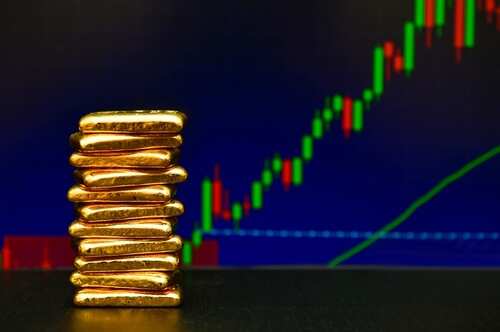
Gold prices could skyrocket by 150% by 2030, driven by inflation, central bank demand, and geopolitical tensions, promising a golden opportunity for investors.
Story Highlights
- Gold prices could reach $5,000 to $7,000 per ounce by 2030.
- Inflation, central bank policies, and geopolitical instability are key drivers.
- Central banks, especially in emerging markets, are increasing gold reserves.
- Institutional forecasts suggest a long-term bullish trend for gold.
Gold’s Bullish Forecast: A Conservative Perspective
The price of gold is poised for a dramatic increase, potentially soaring 150% by the end of the decade. Analysts predict that a mix of persistent inflation, central bank policies, and geopolitical instability will drive this surge. Market veterans and institutional forecasts are optimistic, with projections for gold to reach between $5,000 and $7,000 per ounce. For conservative investors, this presents a unique opportunity to hedge against economic uncertainty and inflation.
Central banks play a crucial role in this scenario. As major buyers of gold, particularly in China, Russia, and emerging markets, their actions significantly influence gold demand and price. The ongoing accumulation of gold reserves by central banks is a strategic move to diversify reserves, reduce reliance on the U.S. dollar, and hedge against geopolitical risks. These factors collectively support a bullish outlook for gold prices over the coming years.
Historical Context and Current Developments
Gold has long been a trusted store of value and a hedge against inflation. Its last major bull market occurred in the 1970s during a period of high inflation and economic uncertainty. Recent events, such as the COVID-19 pandemic and rising geopolitical tensions, have reignited interest in gold as a safe-haven asset. As inflation remains above central bank targets in major economies and the U.S. dollar shows signs of weakening, gold’s appeal continues to grow.
Current developments further bolster the bullish sentiment. Gold prices have reached new all-time highs in several currencies, and central bank gold purchases have been robust. Analysts from InvestingHaven, CoinCodex, and CoinPriceForecast project significant upside potential for gold, with targets ranging from $5,000 to $7,000 by 2030. These projections reflect a convergence of factors that reinforce gold’s role as a critical component of investment portfolios.
The Impact of Rising Gold Prices
The implications of rising gold prices are significant, both in the short and long term. In the short term, volatility in gold markets may increase, with potential for sharp price rallies during geopolitical or economic shocks. Long-term, there is a structural shift in asset allocation toward gold, with possible revaluation of gold’s role in the global financial system. Investors, both institutional and retail, stand to benefit from price appreciation, while central banks strengthen their reserve positions.
The broader economic, social, and political impacts of higher gold prices are profound. A surge in gold prices may signal a loss of confidence in fiat currencies and monetary policy, potentially exacerbating wealth disparities. It may also influence monetary policy decisions and international reserve management, leading to increased regulatory scrutiny if gold becomes a systemic asset.
Sources:
InvestingHaven: Gold Price Prediction
LiteFinance: Gold Price Prediction Forecast
CoinCodex: Gold Price Forecast