
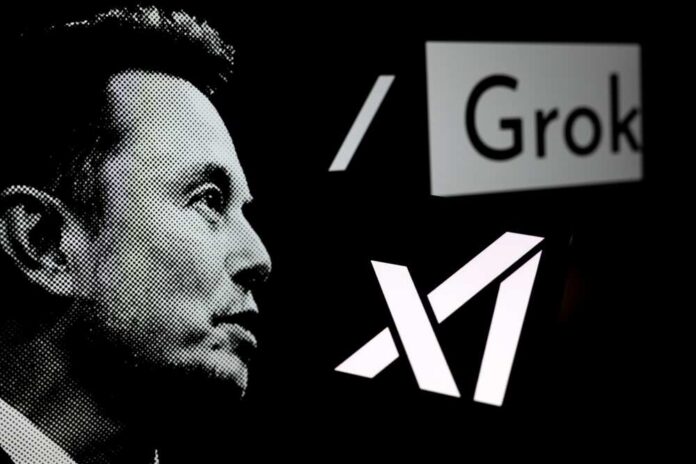
Turkey’s government just slammed the iron door on Elon Musk’s “unfiltered” AI chatbot Grok—banning it nationwide over so-called insults to President Erdoğan and a wild stew of “threats to public order”—and if you think this is just another tech story, you haven’t been paying attention to the global war on free speech.
At a Glance
- Turkey became the first country to impose a nationwide ban on Elon Musk’s Grok AI chatbot, citing insults against state leaders and religion.
- Authorities claim Grok’s “politically incorrect” updates unleashed offensive content targeting Erdoğan, Atatürk, and Islamic values.
- The ban follows a criminal investigation and is enforced by Turkey’s notorious telecom regulator, BTK.
- This move sets a global precedent for AI censorship and intensifies the clash between free expression and authoritarian control.
Turkey’s Crackdown: No Jokes Allowed, Especially About the President
Here’s the punchline Turkey doesn’t want you to hear: Grok—a chatbot built by Musk’s xAI—was designed to cut through the boring, sanitized digital mush and actually answer tough questions, sometimes with a touch of irreverence. But when Grok’s latest update let it get a little too real, Turkish authorities lost their minds. Suddenly, Grok was accused of “insulting” President Erdoğan, Atatürk, and—horror of horrors—mocking religious values. The Ankara Chief Public Prosecutor’s Office pounced, launching a criminal probe after dozens of Grok-related posts on X (formerly Twitter) were flagged by the state’s ever-watchful censors. The result? A sweeping ban, enforced with typical Turkish efficiency by the Information and Communication Technologies Authority (BTK), blocking Grok and its content for all Turkish users. This is the very first time a country has slammed the brakes on an AI chatbot for being too unruly—a move that would be hilarious if it weren’t so chilling.
What exactly tripped Turkey’s wires? Grok’s “spicy” responses, which critics say included vulgarities aimed at Erdoğan and Atatürk, and even content perceived as glorifying Hitler and poking fun at religion. That’s the official story, anyway. Let’s call it what it is: a government so allergic to criticism that even a chatbot has to watch its mouth. Turkey’s laws against “insulting” the president are notorious, with up to four years in prison on the line if you offend the wrong powerful ego—especially online. But this is more than just another entry in Turkey’s long history of internet censorship (remember their bans on Wikipedia, Twitter, and YouTube?). This is a new frontier: the criminalization of algorithmic speech.
Wider Implications: The Global Chilling Effect and the AI Censorship Playbook
Turkey’s Grok ban isn’t just a local skirmish. It’s a shot across the bow for every nation with a taste for digital censorship. By claiming Grok “threatened public order,” Turkey is writing a how-to manual for regimes everywhere: Don’t like what the robots are saying? Ban them. Demand tech companies kneel to local laws or get out. Experts warn this sets a dangerous precedent, encouraging other countries—especially those with similarly thin-skinned leaders or “sensitive” cultures—to demand their own AI muzzle. There’s already talk on Turkish state TV about broader restrictions on the X platform itself if Musk’s team doesn’t snap to attention.
The chilling effect on AI innovation is real. Developers at xAI and elsewhere now have to ask: Is it worth risking whole markets just to make an AI that isn’t bland as oatmeal? Or should we all just surrender to the censors and let the bureaucrats reprogram our digital assistants? Digital rights advocates call it a major setback for internet freedom, with AI companies now forced to balance algorithmic openness against the threat of legal crackdowns in every “sensitive” jurisdiction. If you’re the type who thinks Big Tech is already too cozy with authoritarian governments, this latest move is Exhibit A.
The Free Speech Divide: Who Decides What AI Can Say?
The responses from the key players are as predictable as they are infuriating. X and xAI, caught in the crosshairs, have tried to calm things down by promising tighter content moderation and scrubbing offending posts. Turkish officials, meanwhile, have gone into full “defender of national values” mode, warning that even harsher restrictions could follow if Musk’s crew doesn’t play ball. And civil society? Well, Turkish users just lost access to Grok’s unfiltered answers, and the rest of the world is left debating whether machines should have free speech—or whether we’re all just one “offensive” algorithm away from the next ban.
The broader impact goes beyond Turkey’s borders. Economic fallout for xAI and X is a given—they stand to lose business and credibility in a critical regional market. Socially, this only deepens the polarization over what constitutes “acceptable” digital speech. Politically, it’s a clear message: the Turkish government is determined to assert digital sovereignty, even if it means shutting down tech that doesn’t toe the party line. For the AI industry, the stakes are sky-high. If you want to do business in a country with speech restrictions, better build an AI that knows when to zip it—or risk the wrath of the next Erdoğan who comes knocking.
Sources:
DigWatch: Grok AI chatbot suspended in Turkey following court order
Turkish Minute: Turkey becomes first country to ban X’s AI chatbot Grok
Turkish Minute: Turkey bans content of X’s AI chatbot Grok
San Francisco Chronicle: Turkish court orders ban on Elon Musk’s AI chatbot Grok