

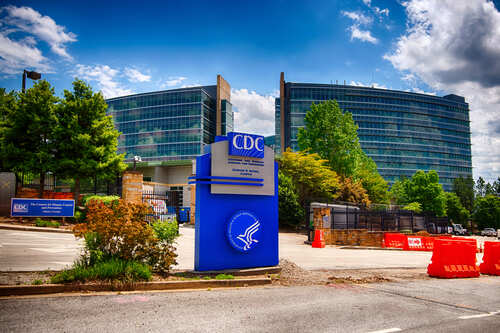
The CDC’s controversial appointment of a prominent mRNA vaccine critic to oversee COVID-19 immunization policy signals a dramatic challenge to public health orthodoxy and may finally bring long-overdue transparency to federal vaccine oversight.
Story Snapshot
- Retsef Levi, an MIT analytics professor and vocal mRNA vaccine skeptic, now chairs the CDC’s COVID-19 immunization workgroup.
- Levi’s appointment marks a significant break from previous CDC practices, introducing a dissenting voice into federal vaccine policy leadership.
- The move follows years of public frustration over vaccine mandates, lack of accountability, and perceived government overreach.
- Supporters see this as a win for transparency and scientific dissent; critics warn it could erode public trust in immunization.
CDC Taps Outspoken mRNA Vaccine Critic to Lead COVID-19 Immunization Workgroup
The Centers for Disease Control and Prevention (CDC) has appointed Retsef Levi, a professor at MIT Sloan and a well-known critic of mRNA COVID-19 vaccines, to chair its COVID-19 immunization workgroup. This workgroup is responsible for reviewing the safety, effectiveness, and policy implications of COVID-19 vaccines, a position that places Levi at the center of U.S. vaccine oversight. Levi has long argued for the withdrawal of mRNA vaccines, especially for children, citing concerns about adverse events and lack of robust safety data. Unlike previous CDC leaders, Levi does not have a clinical or biomedical background, instead specializing in operations research and healthcare analytics. His appointment has sparked debate within the public health community and among Americans seeking accountability after years of mandates and government-mandated medical interventions.
Levi’s rise comes at a time of increased public skepticism toward federal agencies and a growing demand for open debate on vaccine safety. The CDC’s Advisory Committee on Immunization Practices (ACIP), of which Levi is now a key member, has historically echoed the consensus of mainstream medical professionals. However, the COVID-19 pandemic—and subsequent mandates—exposed rifts over transparency, adverse event reporting, and the speed of vaccine approval. Levi’s appointment is widely interpreted as an attempt by the CDC and the Department of Health and Human Services (HHS) to respond to critics who accused the agency of silencing dissent and prioritizing pharmaceutical interests over patient safety and parental rights.
Rising Tensions and the Demand for Accountability
Levi’s leadership signals a shift in how public health agencies approach dissent. Traditionally, critics of government vaccine policy were dismissed or marginalized. Now, with Levi at the helm, those dissenting perspectives are not just tolerated but given a platform within the nation’s most influential vaccine advisory group. Supporters argue that including a skeptic like Levi will force the CDC to confront uncomfortable questions about mRNA vaccine safety, particularly given ongoing concerns about rare but serious adverse events and the agency’s swift policy reversals regarding children and pregnant women. Critics, meanwhile, worry that Levi’s lack of clinical credentials and outspoken opposition to mRNA vaccines could undermine public trust—an argument that has often been used to justify silencing debate rather than addressing legitimate concerns.
The controversy comes as the CDC updates the workgroup’s mandate to include international comparisons and long-term monitoring of booster shot effects. HHS officials have stated that the workgroup’s recommendations will be “data-driven and not dictated by any single member’s views,” a direct response to fears that Levi’s influence could sway policy based on personal opinion rather than scientific consensus. Nevertheless, the power dynamics have clearly shifted: Levi’s role as chair gives him agenda-setting authority and the ability to shape deliberations, creating an unprecedented opening for critics of federal vaccine policy.
Broader Implications for Vaccine Policy and Public Trust
Levi’s appointment is more than a personnel change—it represents a test case for whether public health agencies can tolerate and benefit from rigorous internal dissent. In the short term, the workgroup’s review is expected to delay new vaccine policy recommendations, as members undertake a comprehensive reassessment of safety and effectiveness data. Longer term, the inclusion of a high-profile skeptic may either restore or further erode public trust, depending on whether transparency and honest debate win out over bureaucratic inertia and political expediency. The appointment could also set a precedent for other advisory panels, signaling a move toward broader viewpoints and away from the echo chambers that have dominated public health in recent years.
CDC Taps COVID Vaccine Skeptic to Lead Key Panel | https://t.co/igEaydeWYl https://t.co/BSJiGZpm4b
— ConservativeLibrarian (@ConserLibrarian) August 25, 2025
The stakes are high for all stakeholders. The general public, weary from years of shifting guidance and mandates, now faces renewed uncertainty about vaccine safety and future requirements. Healthcare providers must prepare to navigate evolving recommendations and address patient concerns rooted in both science and skepticism. Meanwhile, vaccine manufacturers like Pfizer and Moderna face increased scrutiny as the workgroup dives into adverse event data and long-term outcomes. While some in the medical establishment warn of “amplifying fringe views,” others see this as a long-overdue reckoning—one that could finally bring accountability, transparency, and common sense back to federal vaccine policy.
Expert Perspectives and the Road Ahead
Expert opinion remains sharply divided. Some public health professionals caution that giving a prominent critic such influence may further polarize the vaccine debate, potentially undermining the CDC’s authority and the nation’s overall immunization strategy. Others contend that Levi’s background in risk analytics and his willingness to question prevailing narratives will strengthen both transparency and the scientific process. As the workgroup reviews data and considers new recommendations, its deliberations will be closely watched by a public eager for honesty, accountability, and respect for individual rights. Whether this marks a genuine turning point or a temporary concession remains to be seen—but for Americans frustrated by years of top-down mandates and censorship, the shakeup at the CDC offers a glimmer of hope for real reform.
Sources:
CDC Elects mRNA Vaccine Critic to Lead COVID Immunization Workgroup (Pharmaceutical Executive)
ACIP member critical of COVID vaccines to lead review (CIDRAP)
Retsef Levi – MIT Sloan Faculty Directory
Retsef Levi – MIT Faculty Page