
An off-duty Border Patrol agent was shot in a Manhattan park during a robbery attempt, underscoring the growing dangers faced by federal agents in a city struggling with crime and public safety issues.
At a Glance
- Off-duty Border Patrol agent shot in Fort Washington Park, Manhattan.
- Incident occurred during an attempted robbery by suspects on a moped.
- Agent is in stable condition after sustaining facial and arm injuries.
- One suspect, Miguel Mora, is in custody; investigation is ongoing.
Tragedy in Manhattan Park
Amid the picturesque scenery of Fort Washington Park, beneath the iconic George Washington Bridge, an off-duty U.S. Customs and Border Protection (CBP) agent became the victim of a violent crime. On July 19, 2025, at 11:51 p.m., the tranquility of a late-night summer evening was shattered when the agent was approached by two individuals on a moped, leading to an attempted robbery. The confrontation escalated quickly, resulting in the agent being shot in the face and arm, yet miraculously, he managed to return fire as the assailants fled the scene. This brutal incident highlights the increasing violence federal agents face, particularly in urban areas like New York City.
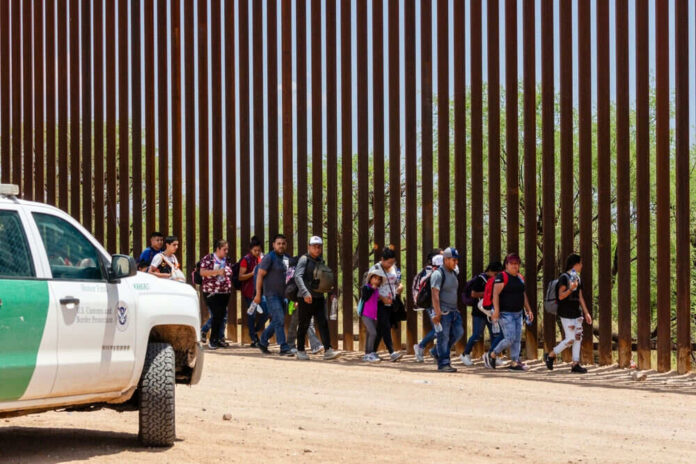
The agent, whose identity has not been disclosed, was immediately rushed to Harlem Hospital, where he is currently in stable condition. His survival is a testament to the resilience and training of our federal officers, who continue to serve under perilous conditions. This episode comes on the heels of another violent attack against federal agents in McAllen, Texas, just two weeks prior, further illustrating the heightened risks associated with immigration enforcement duties in today’s political climate.
Investigative Developments
The New York Police Department (NYPD) has taken the lead in the investigation, working closely with federal agencies to apprehend those responsible. As of now, one suspect, identified as 21-year-old Miguel Mora, is in custody. He is being thoroughly investigated for his involvement in the shooting. The primary motive is believed to be robbery, and while the NYPD does not suspect a political motivation, the incident has inevitably fueled political discourse around border security and federal agent safety.
New York City Mayor Eric Adams has visited the injured agent, expressing his gratitude to the medical staff and relief at the agent’s expected recovery. Meanwhile, President Donald Trump has used this incident to voice criticism of current border policies, praising the agent’s response and emphasizing the need for stronger measures to protect those who enforce our immigration laws.
Impact and Implications
This attack on a federal agent has broad implications for both local and national security policies. In the short term, residents of Manhattan, particularly those in the Washington Heights area, can expect an increased law enforcement presence as authorities work to prevent future incidents. For federal agents, both on and off duty, this shooting underscores the necessity of enhanced safety protocols, potentially including continued use of facial coverings to protect their identities.
Long-term, the event may steer national debates on immigration, border security, and urban crime. It also highlights the complex relationship between local communities and federal agencies, as enforcement activities can sometimes heighten tensions and create a sense of unease among residents. The economic and social ramifications extend beyond immediate safety concerns, influencing political discourse and potentially leading to policy changes aimed at bolstering security for law enforcement officers.
Broader Perspectives
Experts in law enforcement stress the hazardous conditions federal agents face, particularly in high-crime urban areas. They advocate for measures that protect agents’ identities and safety, as recent attacks have demonstrated the vulnerabilities in existing protocols. Political analysts observe how these incidents are leveraged to advance narratives surrounding immigration and public safety, cautioning against conflating isolated criminal acts with broader policy debates.
Community advocates, however, voice concerns about the potential erosion of public trust with increased enforcement and anonymity of agents. They argue for balanced approaches that safeguard both law enforcement officers and community relations. As debates continue, it’s essential to ground policy decisions in evidence-based analysis rather than reactive measures fueled by individual incidents.