

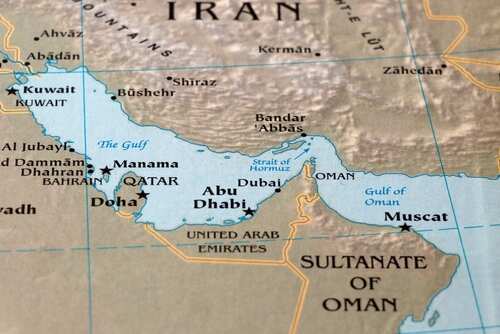
Negotiations with Iran are teetering on collapse, and the military buildup around the Persian Gulf is the kind of pressure-cooker that can turn one bad decision into a wider war.
Story Snapshot
- US-Iran nuclear talks that began in early February 2026 have shown procedural progress, but major disputes over missiles, proxies, and human-rights demands remain unresolved.
- President Trump has signaled optimism about a deal while warning Iran of “very steep consequences” if negotiations fail.
- The administration’s position seeks limits beyond the nuclear file, including ballistic missile restrictions and an end to support for Hezbollah, Hamas, and the Houthis.
- Military signals are escalating alongside diplomacy, including the USS Abraham Lincoln carrier group deployment and Iranian drills affecting the Strait of Hormuz.
Talks Show Movement on Paper, Not on Core Disputes
US and Iranian officials described mid-February discussions as making progress on “guiding principles,” but the reported gains appear to be more about process than substance. Iran’s negotiating line remains that talks should focus only on nuclear assurances for a civilian program. The US position, by contrast, presses for a broader deal that tackles the capabilities and behavior that most threaten American interests and allies.
That gap matters because it mirrors the structural failure that repeatedly haunted negotiations during the Biden years: Washington wanted “more than nuclear,” Tehran refused, and time kept moving. An academic analysis cited in the research warns that as months pass without a deal, both sides tend to harden their opening positions, making compromise less likely. For Americans, that dynamic increases the odds that diplomacy becomes a stalling tactic rather than a solution.
Trump’s Leverage Strategy Mixes Diplomacy With Credible Consequences
President Trump publicly said he believed Iran “want[s] to make a deal,” while pairing that optimism with direct warnings that the consequences of failure would be “very steep.” That combination is a classic leverage approach: keep a door open, but make the cost of walking away unmistakable. The research also notes Trump referenced previous strikes on Iranian nuclear facilities and warned that “the next attack will be far worse,” underscoring deterrence.
Secretary of State Marco Rubio’s posture reinforces that broader approach by tying negotiations to issues Iran wants to keep off the table. The administration’s reported demands include transferring roughly 400 kilograms of enriched uranium, halting any nuclear weapons development, restricting ballistic missiles, and ending support for armed regional proxies. Iran’s refusal to discuss missiles and proxy warfare is not new; those issues were intentionally excluded from the 2015 JCPOA framework because Tehran would not accept limits.
Military Posture Around Hormuz Raises the Stakes for Everyone
Diplomacy is unfolding under a visible military shadow. The research cites the USS Abraham Lincoln carrier group operating near Iranian waters while Iran conducted live-fire drills affecting the Strait of Hormuz, a chokepoint with global energy implications. Iranian-backed groups also feature in the risk picture, including reports that Kataib Hezbollah in Iraq renewed preparations for potential conflict and that the Houthis threatened to pull back from a ceasefire framework.
For a US audience that watched years of foreign-policy drift and mixed signals, the current posture is easier to read: deterrence is being re-established alongside negotiations. At the same time, the risk of miscalculation rises when forces cluster in tight corridors and proxy groups posture for action. The research does not provide a probability estimate for war, and it is impossible to responsibly assign one, but the ingredients for escalation are plainly present.
Iran’s Internal Crisis and Nuclear Rebuild Complicate Any Deal
Iran’s domestic situation adds instability to already-fragile negotiations. The research describes deepening economic collapse, mass protests, and a bloody crackdown that reportedly killed thousands. Regimes under internal pressure often seek external confrontation or dramatic symbolism to project strength, but the sources do not document Tehran’s internal decision-making. What is documented is that the nuclear issue has continued to move, with Iran previously enriching near weapons-grade and removing international monitoring.
US Talks with Iran Reportedly Fall Apart – Is War Coming? https://t.co/S3HQDOfZMS
— The Gateway Pundit (@gatewaypundit) February 18, 2026
Another complication is restoration. The research references US and Israeli strikes in 2025 targeting nuclear infrastructure, followed by satellite imagery indicating Iran was working to restore elements of its program. Experts cited in the research also warn against overestimating how much lasting damage was done, especially if key missile infrastructure has already been rebuilt. That uncertainty tightens the timeline and makes verification and enforcement—core conservative concerns about accountability—central to any agreement.
Sources:
Iran-US nuclear talks may fail — but they are not futile
2026 United States–Iran crisis